
SURFACE laser CLEANING
RUST REMOVAL / DEOXIDIZING/ DESCALING
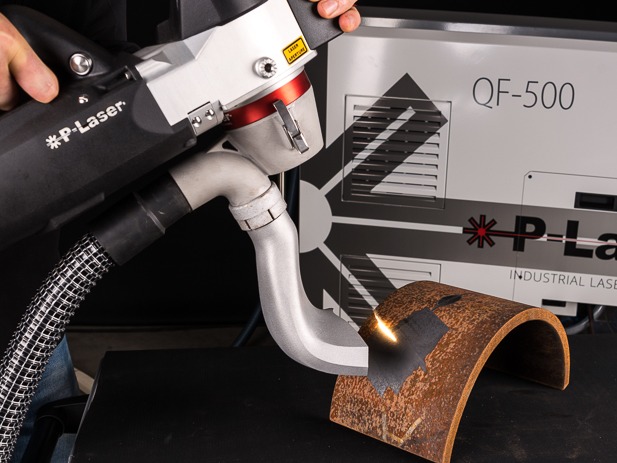
Industrial laser cleaning systems are most known for their rust removal capabilities. Application can be found in multiple industries as for example process & production or the heavy industry.
Our laser systems can be used to derust or deoxidize small machinery or materials which leave the warehouse rusted after being left there for several weeks or months. Descaling is the toughest operation with lasers,you need a high beam quality laser beam. CW lasers are ok for high speed steel applications, pulsed will give you more surface sensitivity without thermal overload.
Some of the main advantages of using laser cleaning as a rust removal method are the lack of chemicals that have to be used, the substrate is not damaged, very little pollution, etc.
Best Solutions

SURFACE laser CLEANING
COATING REMOVAL
A lot of our customers use the laser's coating removal capabilities prior to any welding, brazing, bonding or new coating process. In the heavy industry for example, laser cleaning is used to prepare train bodywork for a new coating. Our systems are also capable of removing the paint layer by layer, if you don't want to remove everything all at once.
The laser technique is a non-contact/non-abrasive process, no use of chemicals or blasting media are necessary , we see a reduction in waste, automation is easy and it's very safe.
Best solutions
- 50-100 W systems are excellent for in-line coating removal
- If you want to manually remove coating on a larger surface and at higher speeds, a 500-2000 W machine is the way to go!
1500-5000 watt CW polygone systems.
SURFACE laser CLEANING
RESTORATION
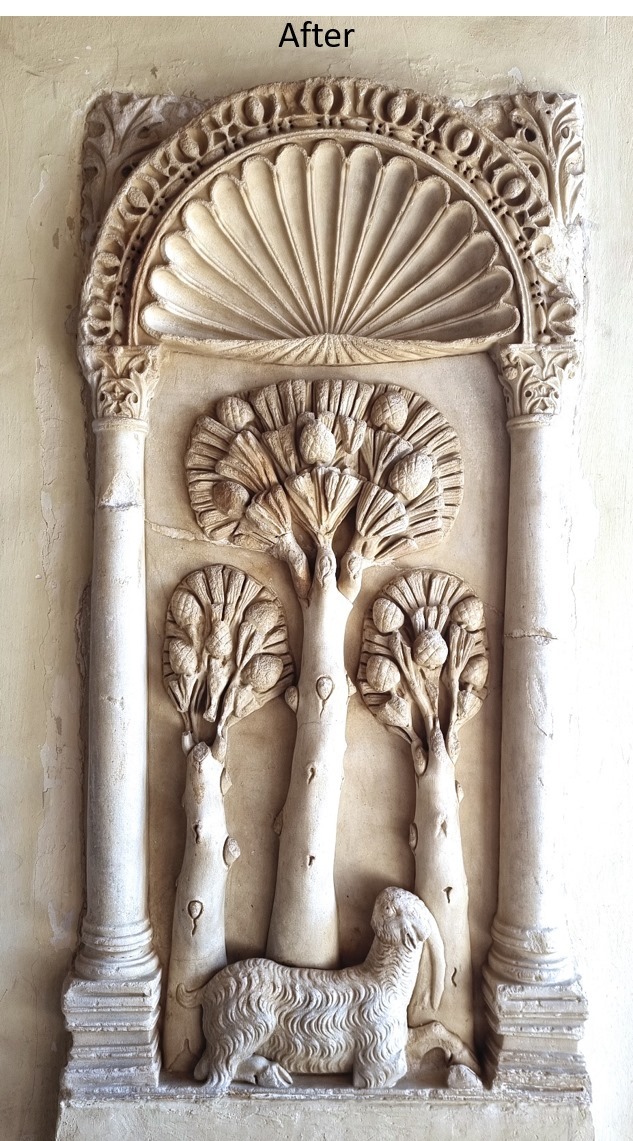
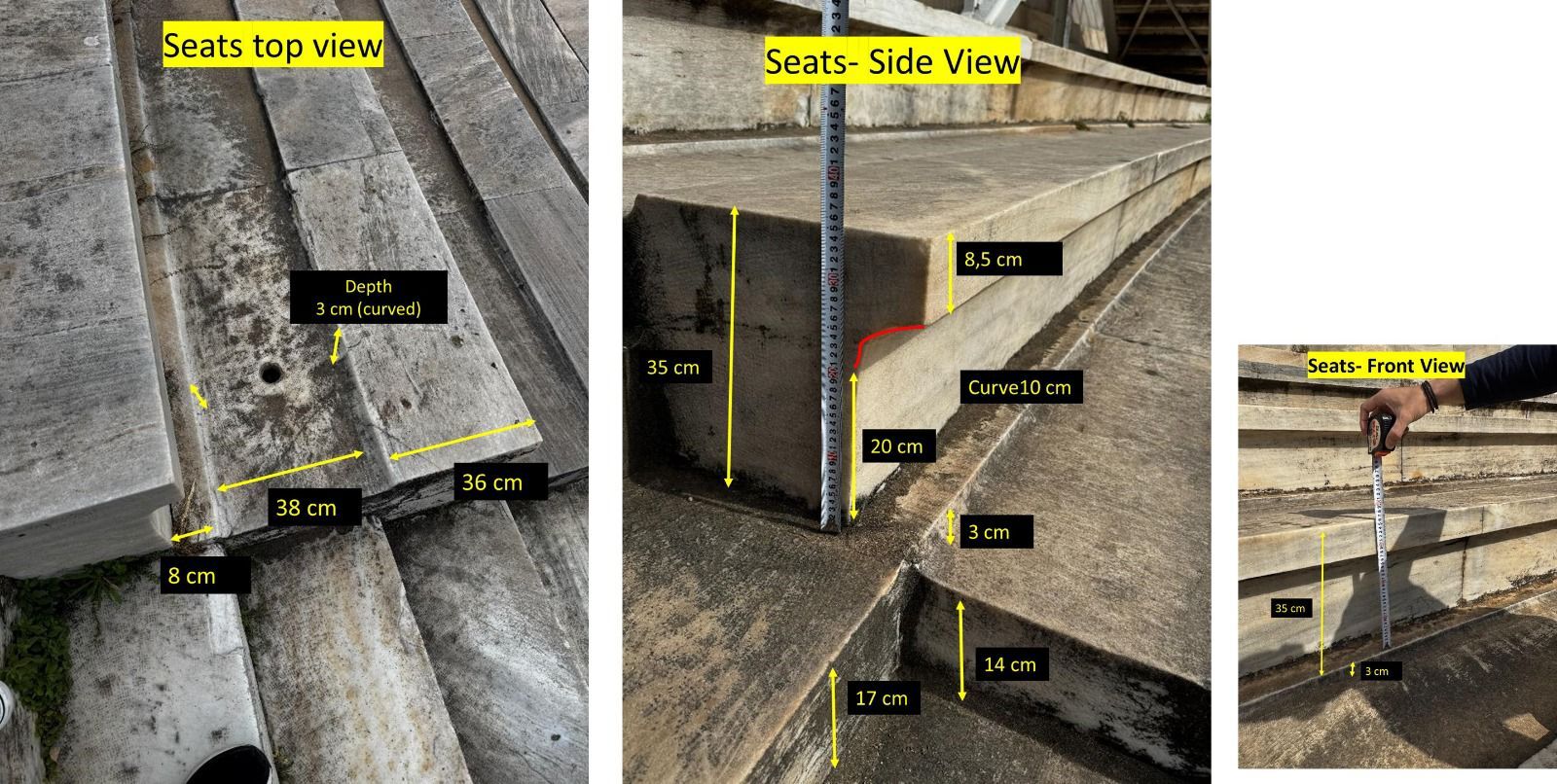
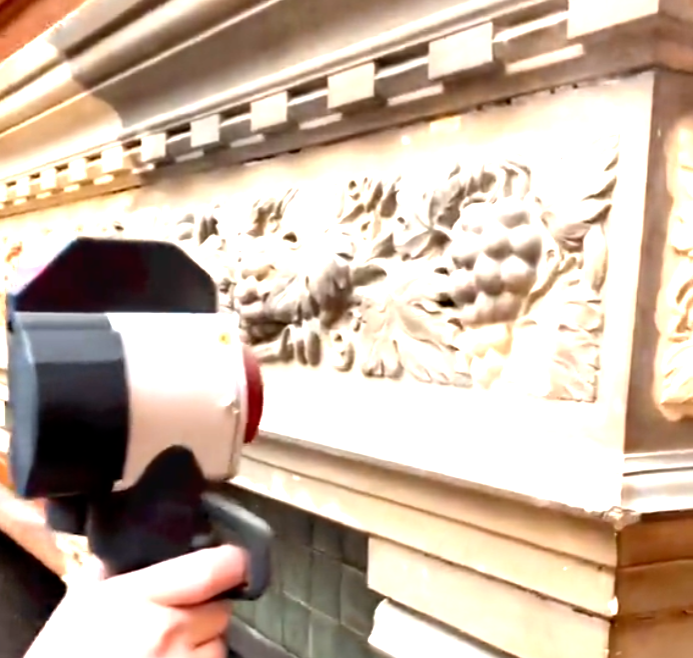
In the restoration process, laser cleaning has been used with satisfying results in for example stone conservation to remove encrustation. Alongside the aesthetically pleasing results, it is relevant to determine that laser cleaning does not have any adverse effects. Our dedicated Cleansweep software is key to obtain the right amount of energy on the surface to get a natural cleaning effect.
Compared to the more traditional techniques, laser cleaning has many additional advantages. The diameter of the laser beam can be regulated so that areas of different dimensions can be treated. There is no physical contact between the object to be cleaned and the laser equipment. This aspect can be really relevant in treating fragile materials. The infra red 1064 nm pulsed laser source is the best economical solution.Other wave lenghts can be used like green and uv to obtain specific results. The fibre laser is a very good solution instead of the traditional YAG laser which is not so reliable for outdoor restoration work. A stable fluence is very important in this kind of high level work.Our software Cleansweep is giving you full control in transferring laser energy to the surface.This technology can clean lime -,sand stone and marbles.
Best solutions

Weed and Biofilm Treatment with Laser Technology
The rapid development of AI-based image recognition is opening new possibilities for highly selective laser treatment. Two particularly interesting fields are:
- Agricultural weed control
- Biofilm treatment on monuments, stone and other sensitive surfaces
Although these applications are very different, they share an important principle: recognize the biological target, locate it precisely and deliver only the laser energy required to create the desired biological effect.
Laser Weed Control
Laser weed control is currently the best-known application.
The effectiveness of the process depends on several factors, including the type and development stage of the weed, laser wavelength, required dwell time, spot size, energy density and the exact location where the laser energy is applied.
The basic principle is thermal. Laser energy is absorbed by the plant tissue and converted into heat. Sufficient localized heating can damage the cells and disrupt the plant's ability to continue growing.
This makes optical absorption an important factor when selecting the laser wavelength.
Plants provide two particularly interesting absorption targets:
Plant pigments
Visible wavelengths, including blue and green light, interact strongly with plant pigments and can therefore be considered for selective energy deposition in green plant tissue.
Water contained in the plant tissue
Water has strong absorption bands in the infrared. Wavelengths in the approximately 2–3 µm region can therefore provide strong surface absorption with relatively limited penetration depth.
CO₂ lasers also operate at wavelengths that are strongly absorbed by water-containing biological tissue. However, for an industrial machine, the laser source itself is only part of the equation. Size, efficiency, beam delivery, scanner compatibility, maintenance and integration all influence the final choice of technology.
AI Recognition Changes the Process
The most important development may not be the laser itself, but the combination of the laser with AI-based machine vision.
Instead of treating the complete surface, a vision system can identify individual plants and potentially classify different weed species.
The next challenge is even more interesting: determining where the laser should fire.
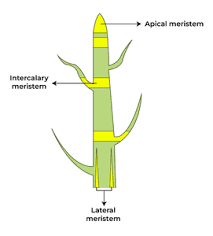
For effective weed treatment, the system should identify the critical growing region of the plant, including the meristem or other vulnerable tissue, and calculate the coordinates required to direct the laser scanner toward this target.
The complete process becomes:
Detect → Identify → Localize → Select treatment parameters → Target → Irradiate → Verify
Different weeds could eventually receive different laser recipes. The system could automatically adjust wavelength, power, spot size, dwell time, scanning strategy or number of exposures according to the identified plant and its development stage.
This transforms laser weeding from simple thermal treatment into a selective optical treatment process controlled by AI.
Laser Treatment of Biofilm
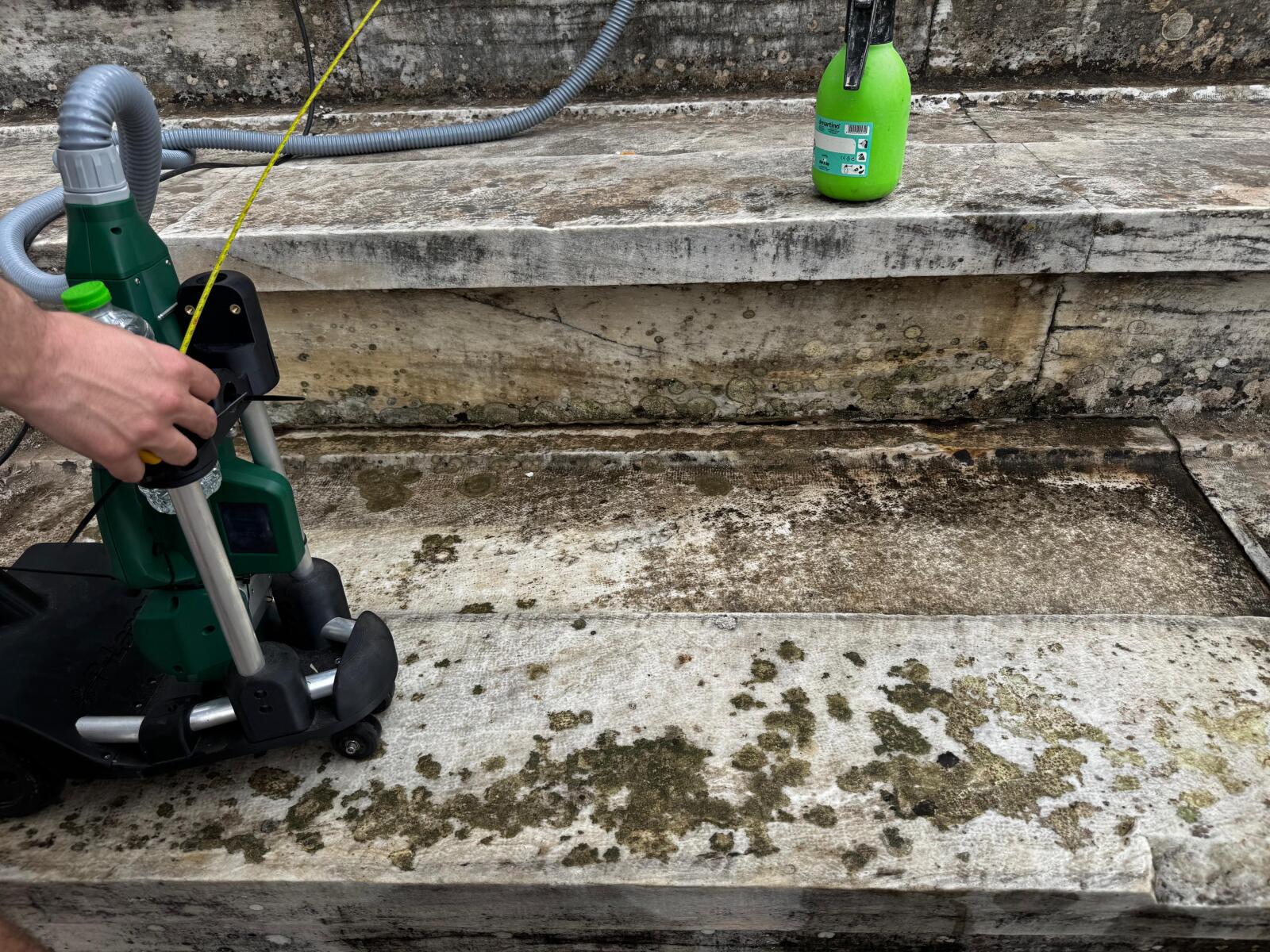
The same philosophy can potentially be applied to bacterial, fungal, algal and other biological films growing on monuments and stone surfaces.
However, there is one major difference.
With weed control, damage to the biological target is intentional. With monument conservation, we want to affect the biological contamination without damaging or unnecessarily altering the underlying historical material.
The objective is therefore not necessarily laser cleaning.
Instead, the objective can be controlled biological treatment.
For example, when a biofilm is present on marble, the process could be designed to selectively heat the biological layer while keeping the laser fluence below the threshold at which the marble itself is modified, discoloured or ablated.
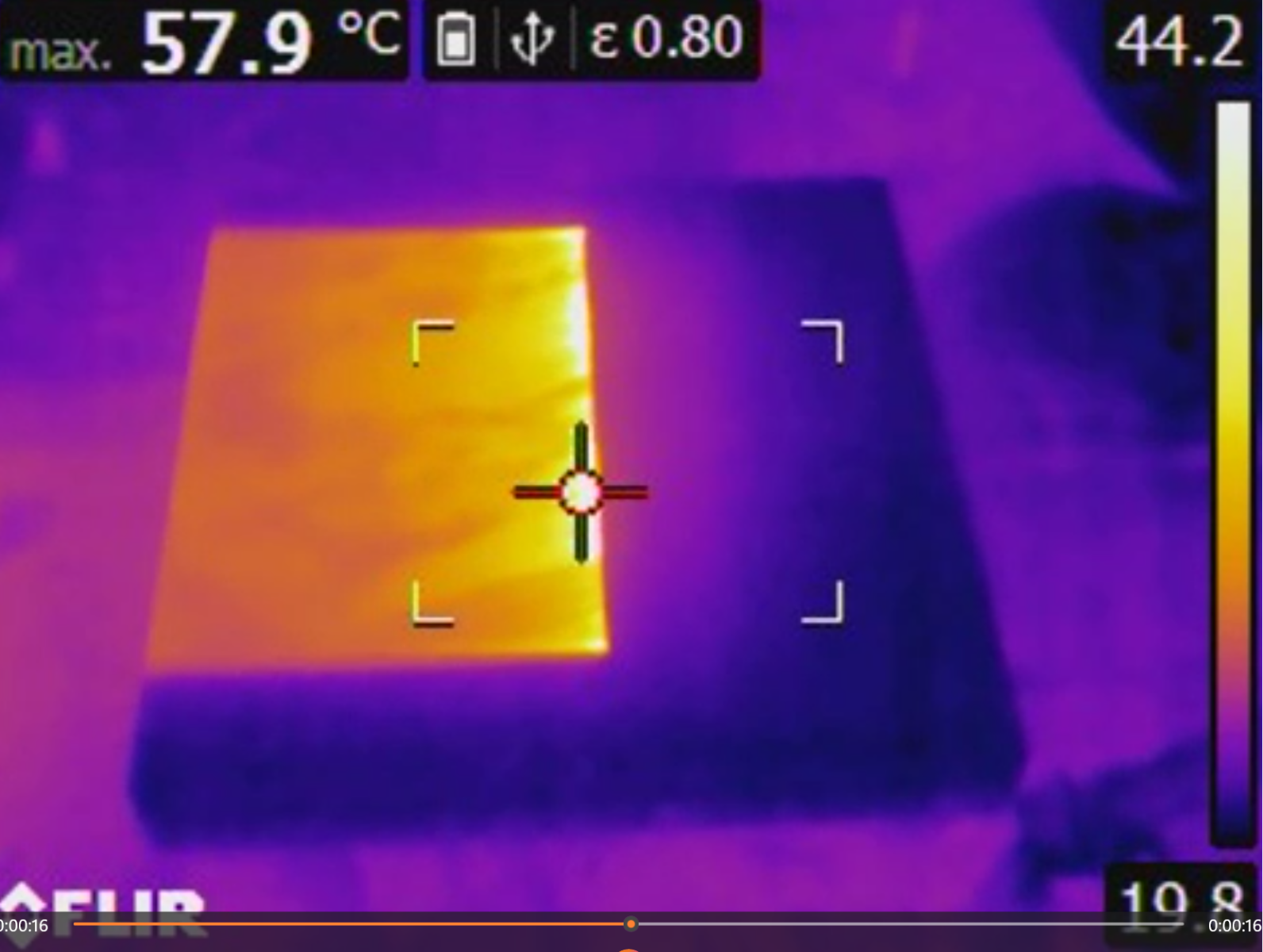
A thermal imaging system could provide an additional feedback loop. Rather than applying a fixed laser dose, the system could monitor the surface temperature during treatment and continuously regulate the laser output and scanning speed.
The principle becomes:
AI vision identifies the biofilm → scanner positions the beam → laser delivers controlled energy → infrared camera measures temperature → control software adjusts the treatment in real time.
A target temperature, for example around 60°C for a specific biological organism, should not be considered universal. The required temperature and exposure time depend on the organism, substrate, moisture conditions and treatment objective and therefore need to be experimentally validated.
Protecting the Original Surface
For restoration applications, the operating window is critical.
There are effectively two thresholds:
Biological damage threshold
The minimum laser dose required to sufficiently deactivate or destroy the targeted biological material.
Substrate damage threshold
The laser dose at which the marble, stone, pigment, patina or other original material begins to undergo an unacceptable physical, chemical or visual change.
A successful treatment process must operate safely between these two thresholds.
This is where wavelength selection, pulse duration, fluence, spot size, scanning speed, temperature monitoring and AI recognition all become important.
From Laser Cleaning to Intelligent Laser Treatment
This represents an interesting evolution of laser technology.
The future system does not simply switch a laser ON and move it across a surface. It first understands what is present and where it is located.
AI vision provides the eyes.
The scanner provides the positioning.
The laser provides the energy.
Thermal imaging provides feedback.
Software controls the complete treatment process.
The result could be a new generation of intelligent laser systems capable of treating biological targets with high spatial selectivity while minimizing the impact on the surrounding material.
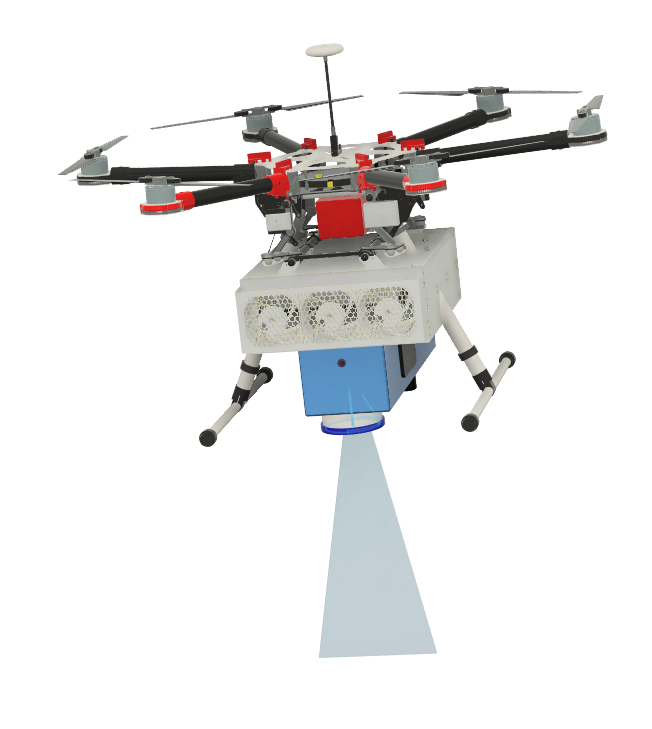
At P-Laser, we see significant potential in combining laser technology, machine vision, AI recognition and closed-loop process control to develop dedicated treatment processes for agriculture, conservation and other biological surface applications.
.





SURFACE laser CLEANING
NON-DESTRUCTIVE TESTING
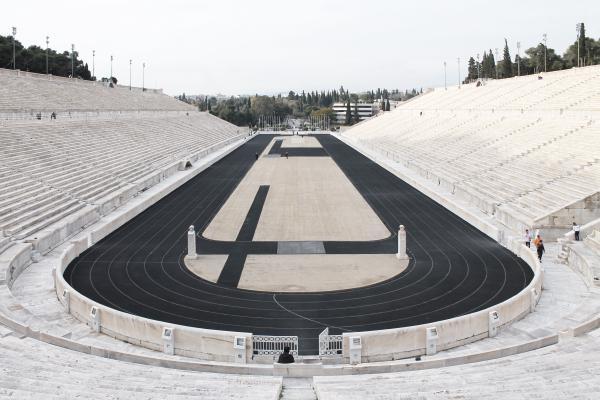
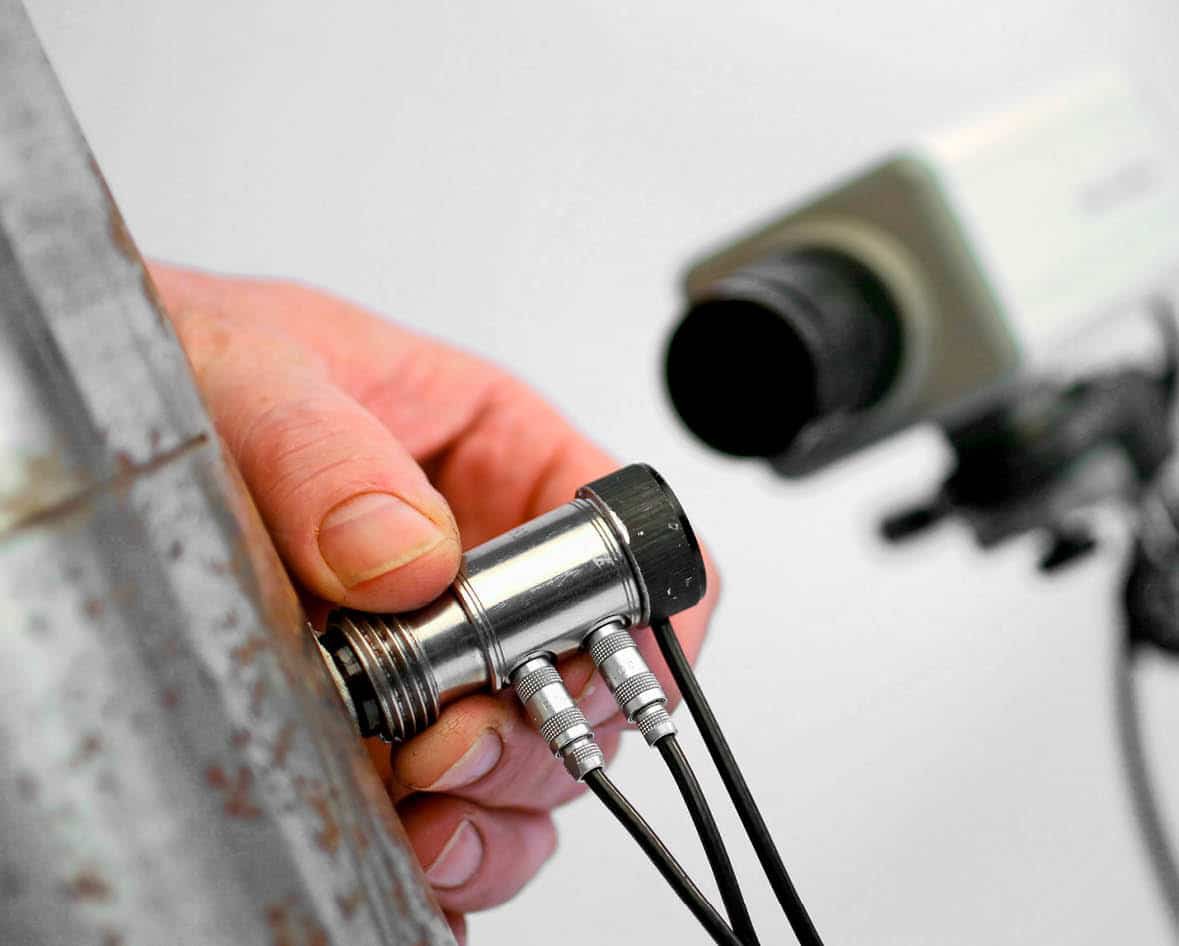
Non-destructive testing is the technique, used in the technology industry, to evaluate the properties of a material, component or system without causing any damage to the base material. Laser cleaning can remove dirt, rust or any other contaminant from the base material, without damaging it. Because of this, laser cleaning is a perfect solution if NDT has to be performed.
Best solution
SURFACE laser CLEANING
SPOT REPAIR
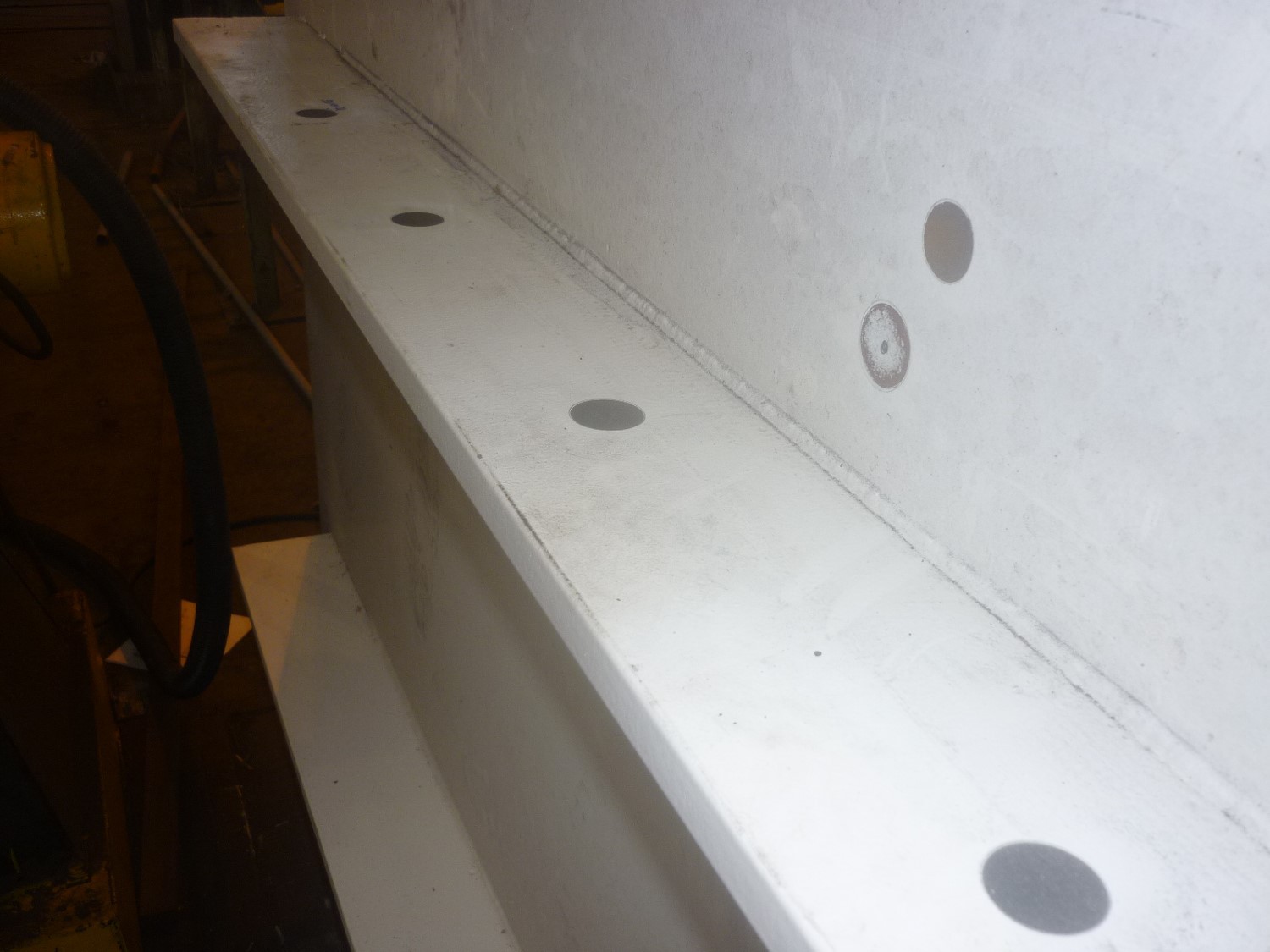
Often not the complete surface has to be cleaned, but only certain spots on that surface. Imagine you only have to remove rust on certain spots on a weld or that you only want to clean the rivets on the body of an airplane. That's where spot repair comes in and because of the 2D-scanners in the optic of our laser systems, circles can be created at once, which speeds up the complete process drastically.
You need a clean area to apply glue or insert a spot weld? A laser cleaner might be a very good solution for your problem!
Best solution
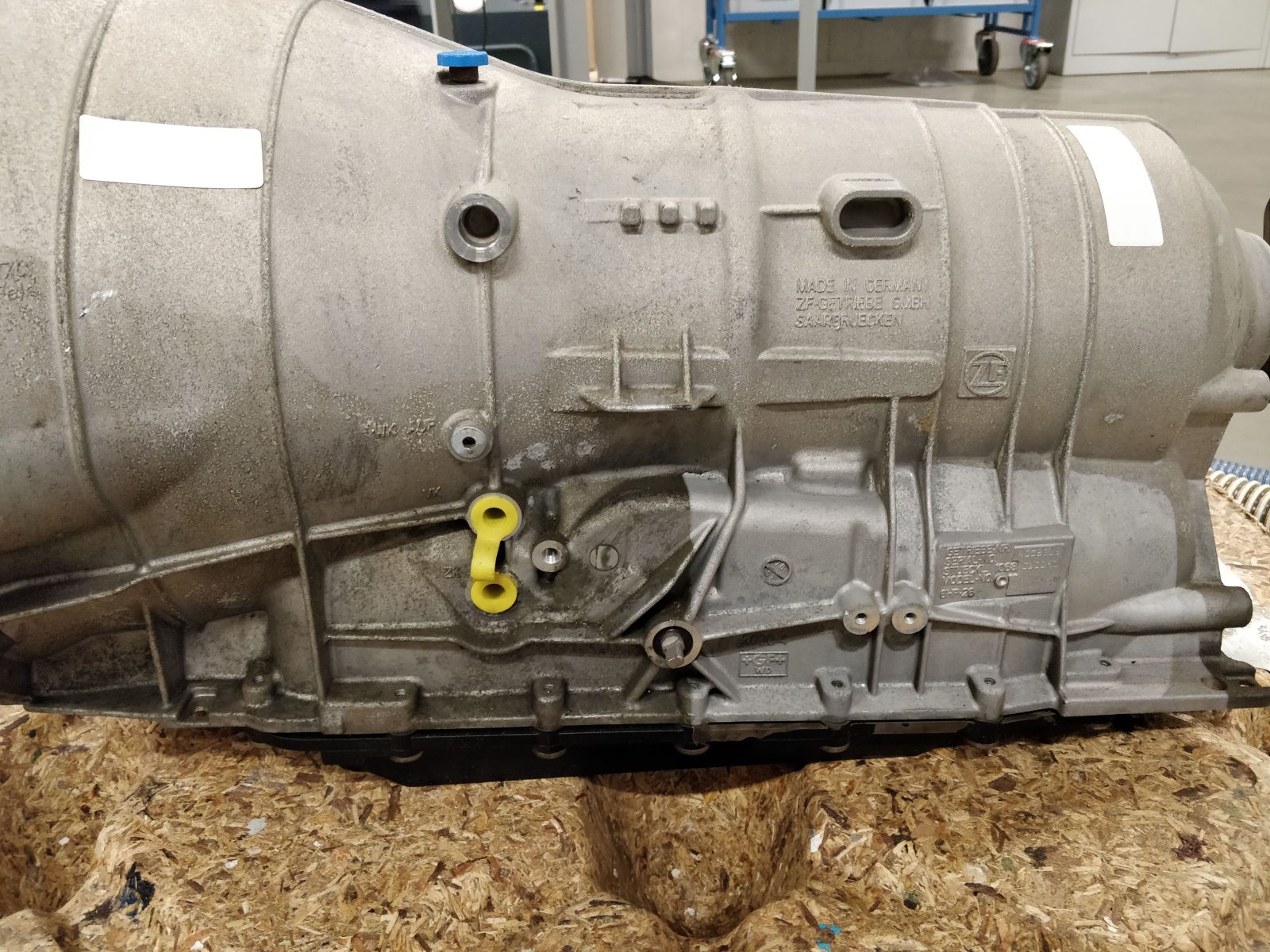
SURFACE laser CLEANING
DEGREASING
Degreasing is mostly applied in the process & production industry.
It can be initiated at the end of a process line as a final cleaning solution to remove any dirt, moist or other contaminants. In the end, you're left with a clean product, ready to be sold to the customer.
Another application is the preparation of a product for a subsequent process: glueing, welding, coating, etc.
Best solutions